Discover the Hills of North Bali
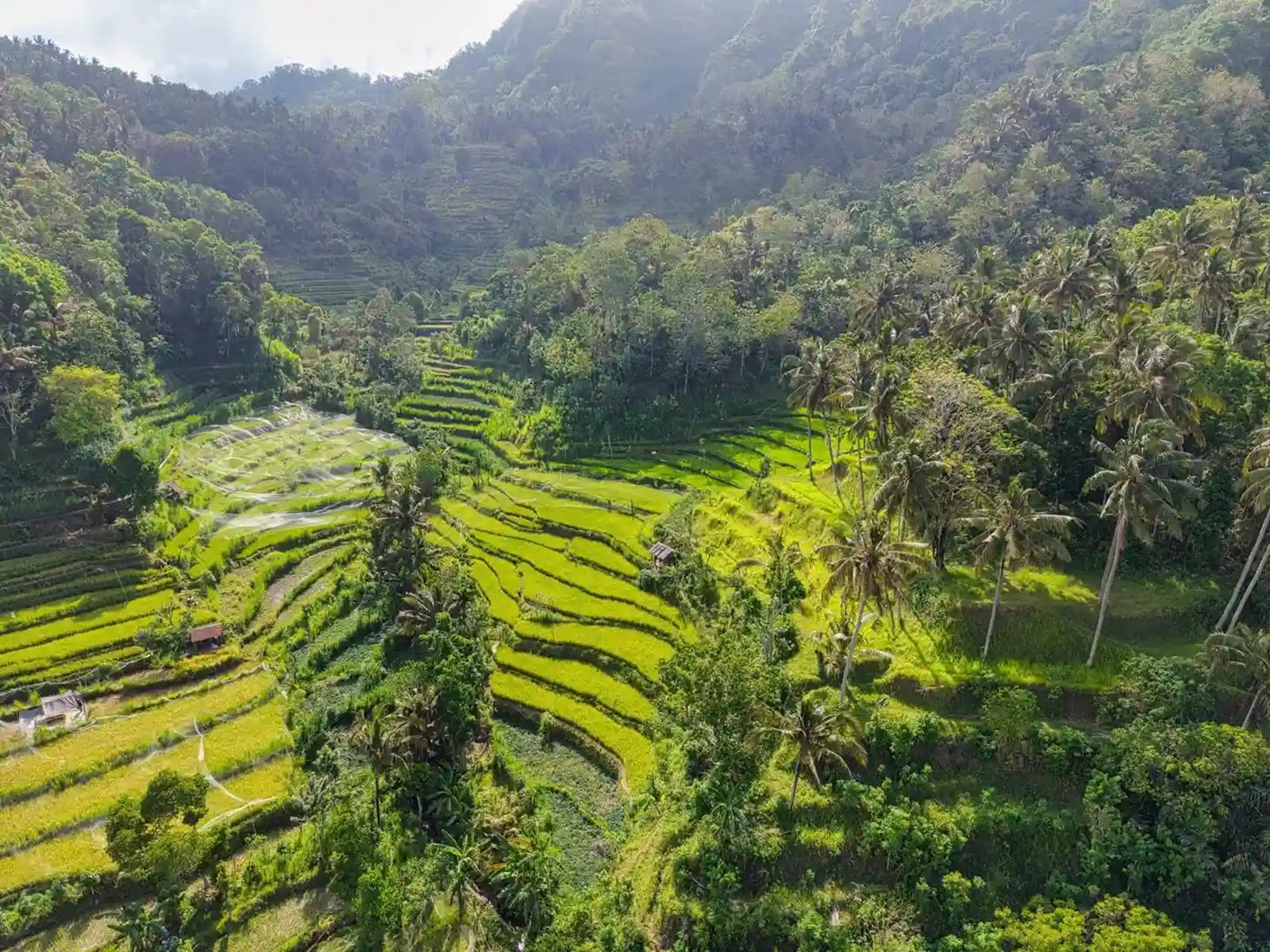
Green hills, rice fields, lakes, waterfalls and cultivated landscapes shape the character of Munduk.
Where the Landscape Becomes Part of the Journey
Munduk is surrounded by a green highland landscape with agricultural areas, forests, lakes and waterfalls. Far removed from the crowded coastal plains, the village sits along ridges between 500 and 1,220 meters above sea level, shaped by fertile volcanic soil, patient farming traditions, and clean mountain air that circulates through the valley every morning and dusk.
Here, nature is not an isolated attraction to be visited, but an active way of being. Terraces carved into slopes feed mountain streams, while dense canopies of clove and cocoa frame traditional pathways that have connected highland communities for generations.
Green Hills and Mountain Landscapes
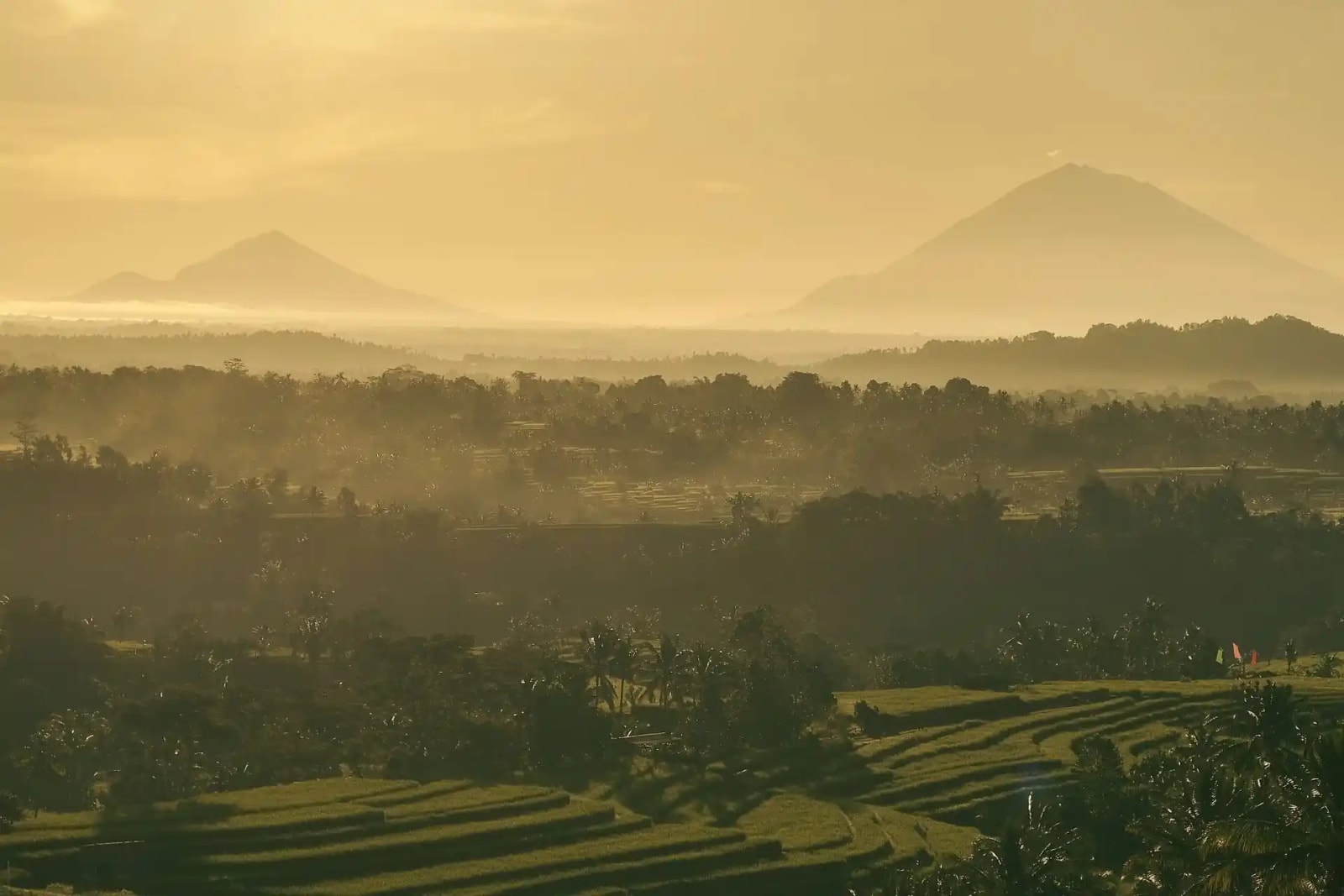
The topography of Munduk is defined by rolling green hills and dramatic natural ridges that rise into the cool North Bali uplands. These mountain landscapes catch passing clouds, creating changing layers of mist and light across forested peaks, valleys, and secluded highland settlements.
Life Shaped by the Land
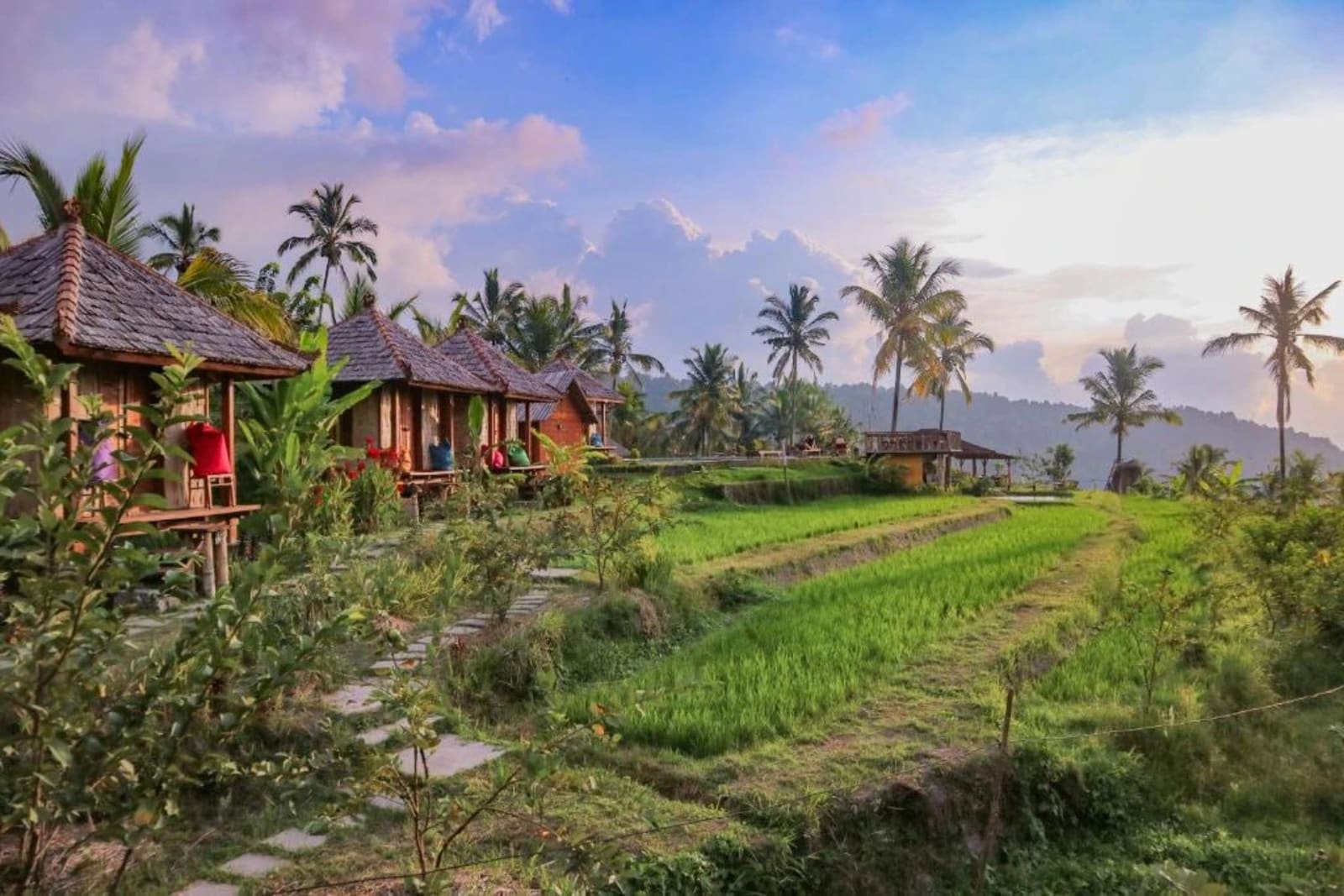
Rice fields form part of the living landscape surrounding Munduk, maintained through communal care and highland topography. Carved directly into steep mountain gradients, these terraces step gracefully down valley floors, watered by natural springs and preserved through ancient cooperative stewardship.
Coffee, Cocoa and Clove Country
The fertile hillsides of Munduk have long supported distinguished highland crops. Arabica coffee was introduced to these volcanic slopes around 1870, followed by Robusta coffee around 1915, flourishing alongside cocoa, vanilla, and centuries-old clove plantations that perfume the village air during seasonal harvests.

Forests, Gardens and Tropical Landscapes
Beyond open fields lies an intricate highland botanical world: graceful coconut palms standing tall against the fog, wild ferns lining secluded paths, and dense native forest canopies that shelter Munduk from harsh winds.
Native Forest Canopy
Ancient hardwood, bamboo brakes, and wild fig trees anchoring the mountain slopes and providing wildlife habitat.
Highland Groves
Tall stands of coconut palms mingled with nutmeg, flowering frangipani, and tropical fruit trees around homesteads.
Subak Watersheds
Natural stream networks and spring corridors sheltered beneath dense understory foliage and wild river ferns.
Places Worth Discovering
From waterfalls hidden in the hills to volcanic lakes, mountain viewpoints and important cultural landmarks, Munduk offers a natural base for exploring the North Bali highlands.
Waterfalls in the Forest Canopies
Munduk Waterfall
Munduk Waterfall
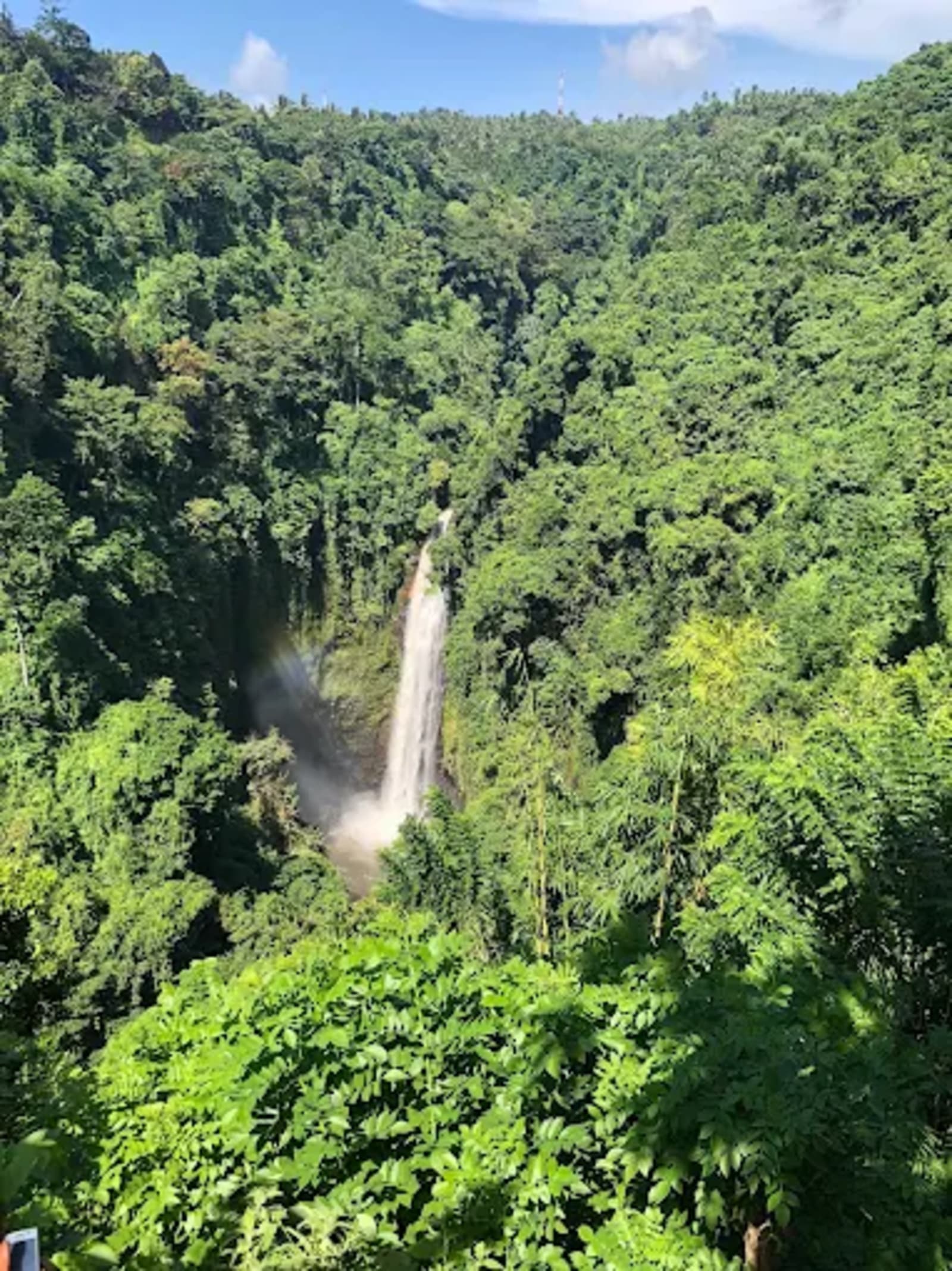
Plunging straight into a moss-clad rock amphitheater, this iconic waterfall sends cool mountain spray into the surrounding clove trees and wild ferns that define the ravine.
Melanting Waterfall
Hidden slightly deeper in the forested mountain folds, Melanting resonates through the canopy with powerful vertical drops bordered by towering wild bamboo and giant ferns.
Banyumala Twin Waterfalls
A dramatic double curtain cascade set within an untouched highland canyon, where sheer volcanic rock faces are draped with delicate hanging mosses and clear pools.
Lake Buyan and Lake Tamblingan
The twin volcanic lakes are cradled within primary mountain rainforest, preserving an ancient stillness where traditional dug-out canoes quietly glide across morning reflections.
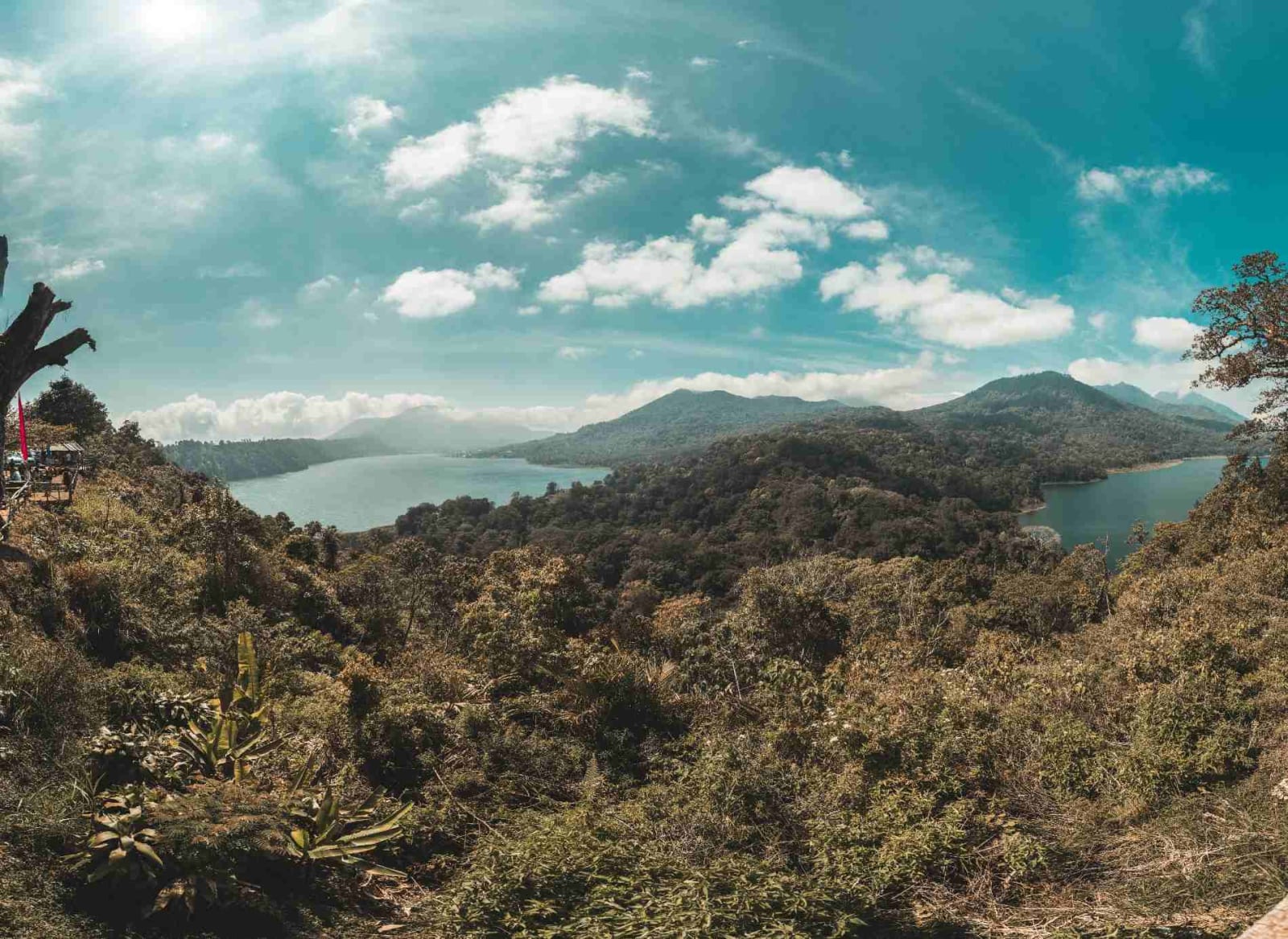
Ancient volcanic waters framed by protected montane jungle
Wanagiri Viewpoints
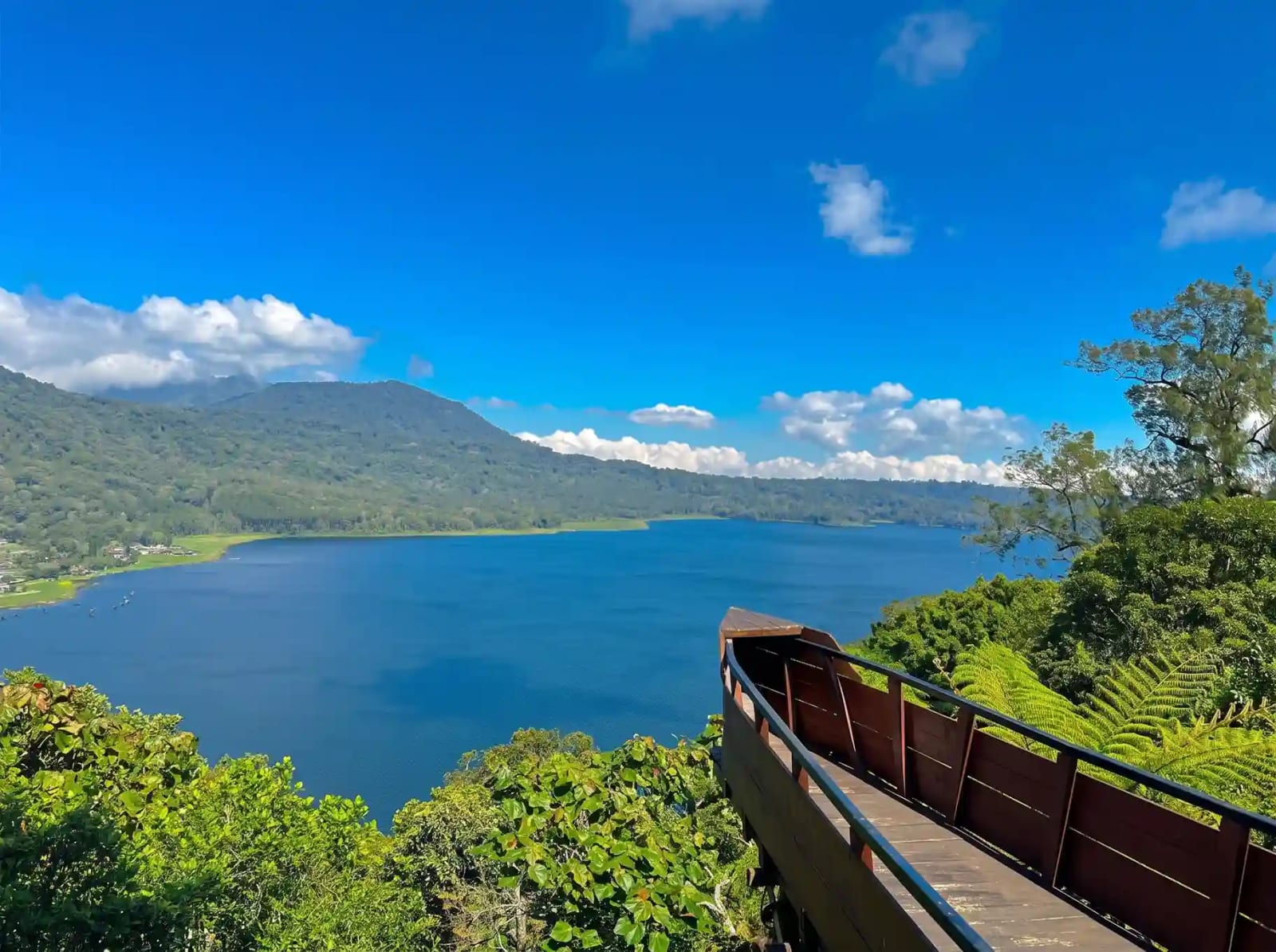
Positioned along the highland rim overlooking Lake Buyan and Lake Tamblingan, the Wanagiri ridge offers sweeping panoramic vistas where passing clouds drift silently over ancient volcanic craters and layered forested slopes.
From these elevated points, one experiences the scale of North Bali’s interior geography, looking down across thousands of hectares of protected watershed rainforest.
Handara Gate
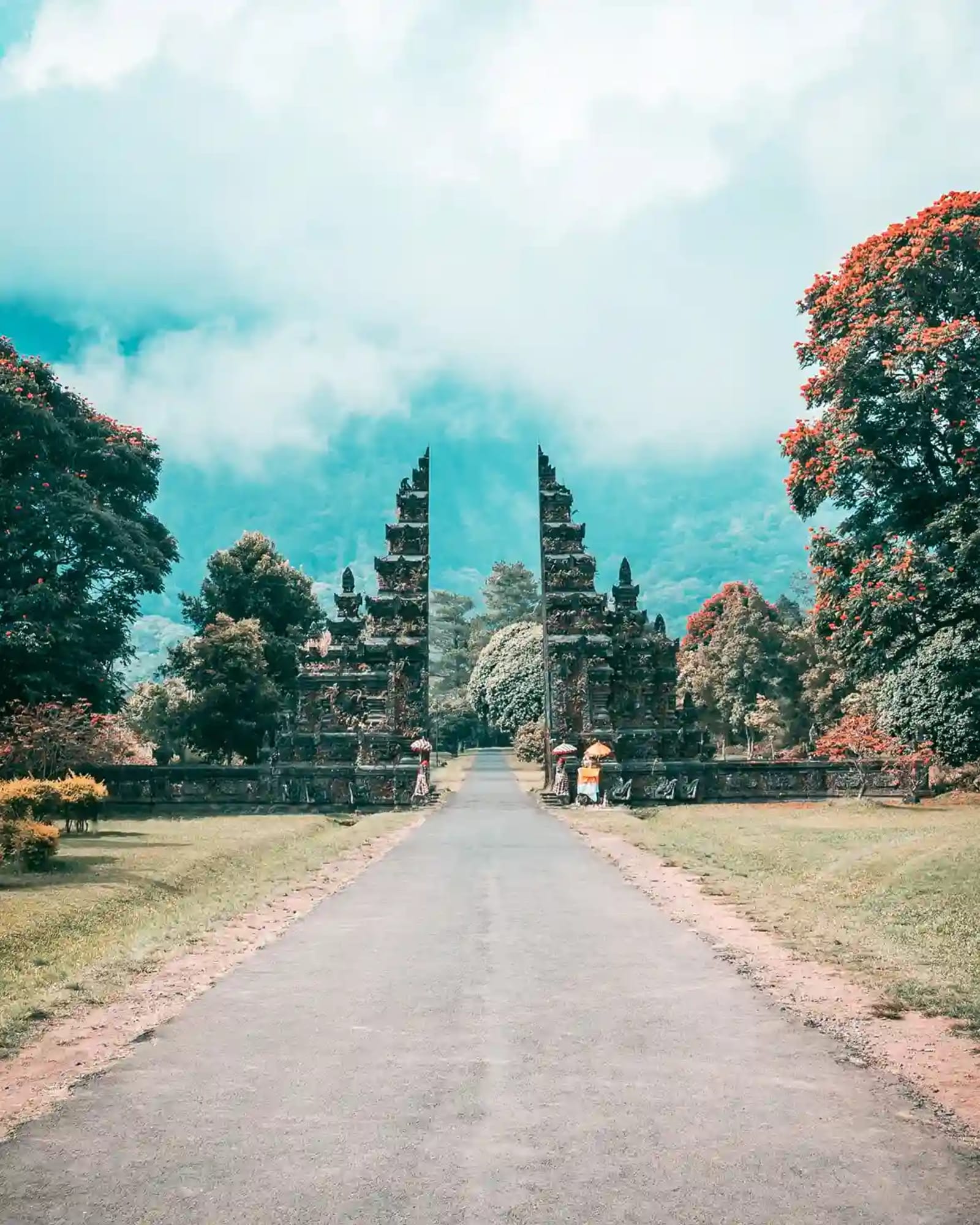
Situated in the wider highland plateau beyond Munduk, the prominent stone candi bentar gateway stands against backdrop peaks cloaked in low cloud, framing the dramatic green contours of North Bali’s mountain gateway.
Its ornate volcanic stonework and cool highland setting reflect the classic architecture that welcomes visitors traversing between the northern coast and central volcanic uplands.
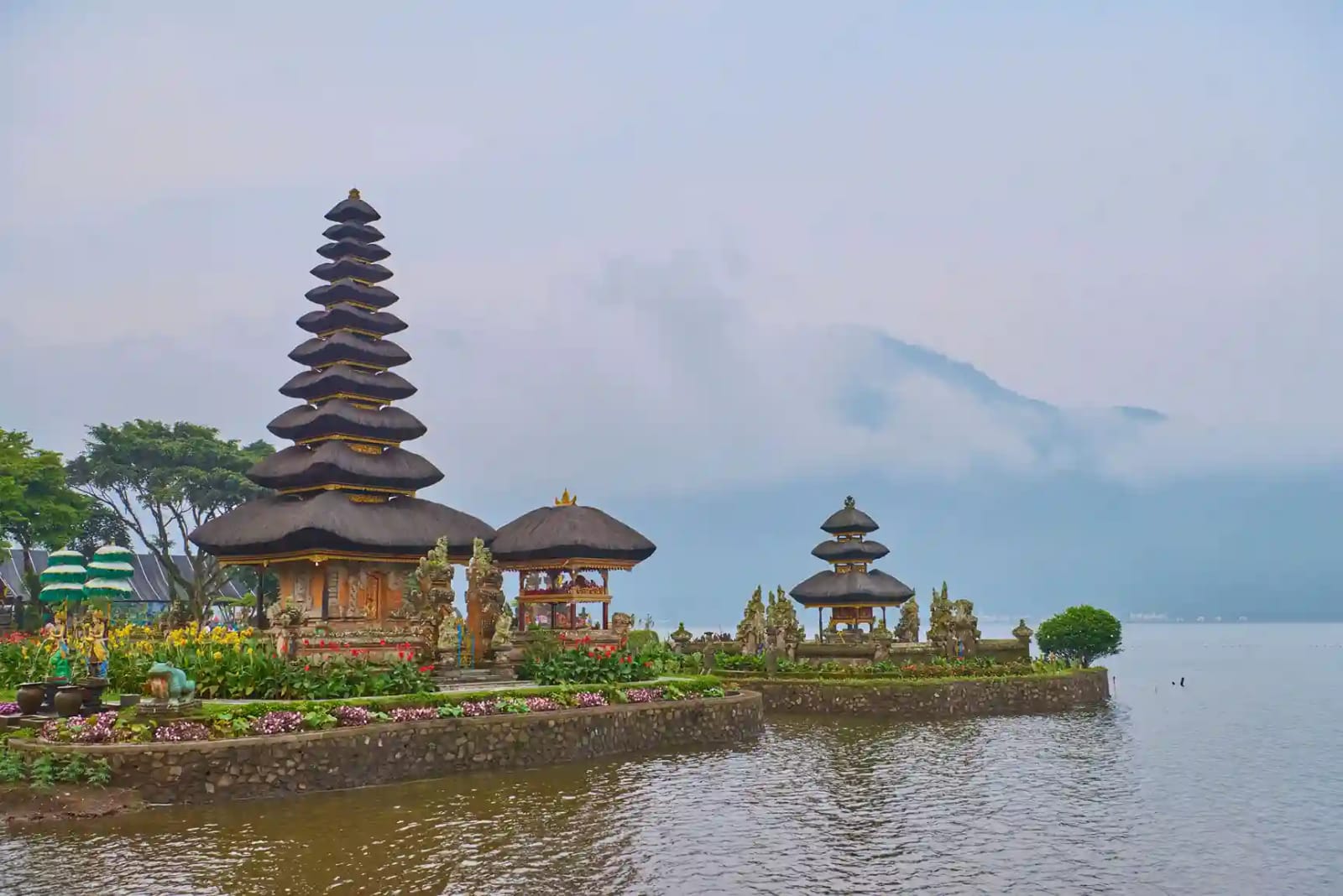
Pura Ulun Danu Beratan
Located further south in the Bedugul highlands upon the tranquil waters of Lake Beratan, this historic water temple is dedicated to Dewi Danu, the goddess of lakes and rivers who sustains the island’s traditional subak irrigation network.
Easily reachable from Munduk as part of a wider exploration across the mountainous interior, its multi-tiered meru towers appear to float effortlessly above misty reflections.
Step Into the Landscape
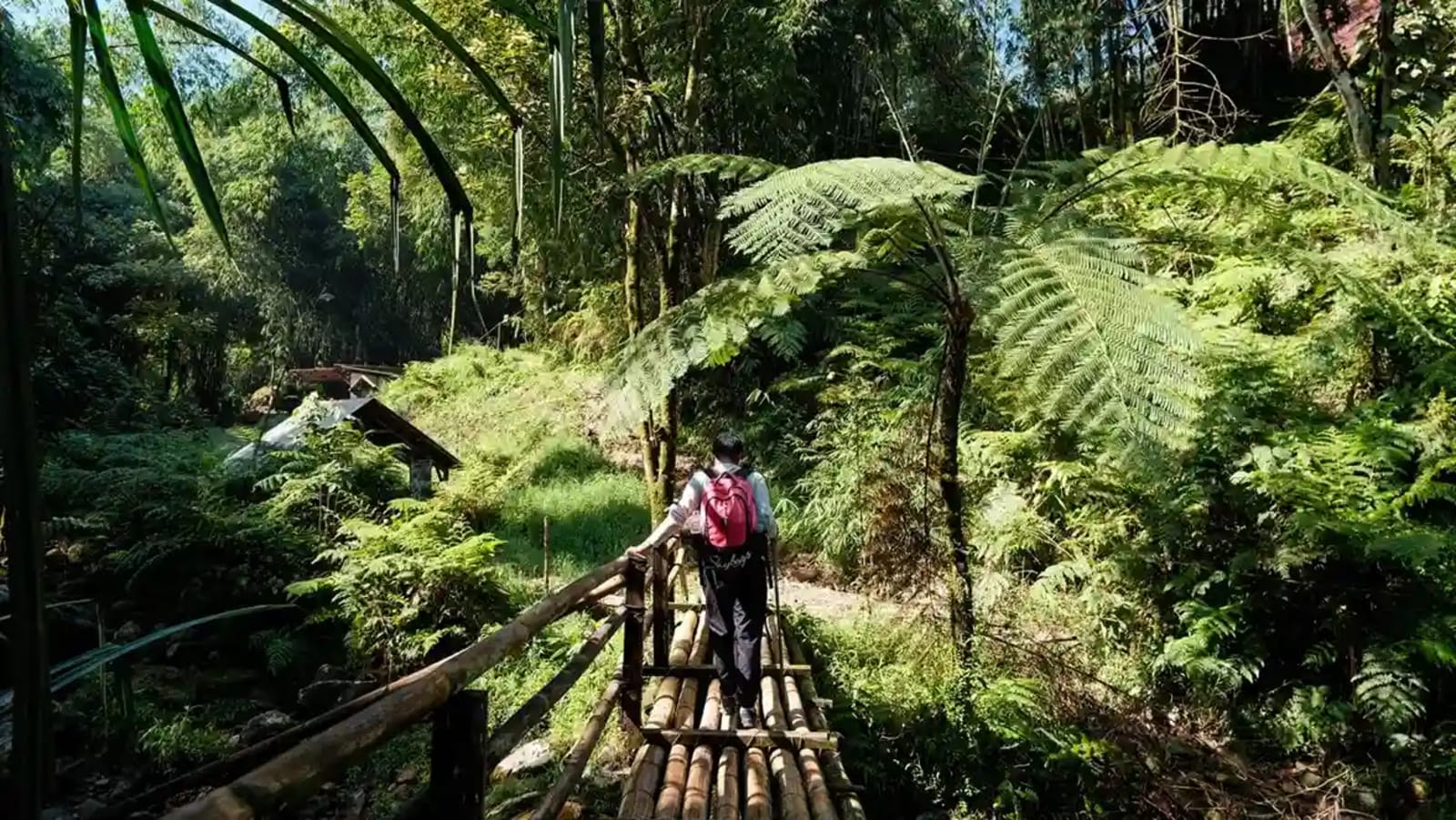
Walking is the purest way to experience the geography of Munduk. The quiet earthen paths wind between rice terraces, cross ravine bridges, and lead deep into plantation groves.
Puri Sunny offers trekking guide assistance to explore the local trails and natural surroundings on foot, sharing authentic insight into village pathways and the surrounding countryside.
Make Puri Sunny Your Base
Choose between two distinct sanctuaries in Munduk, each reflecting a unique encounter with North Bali’s mountain landscape.
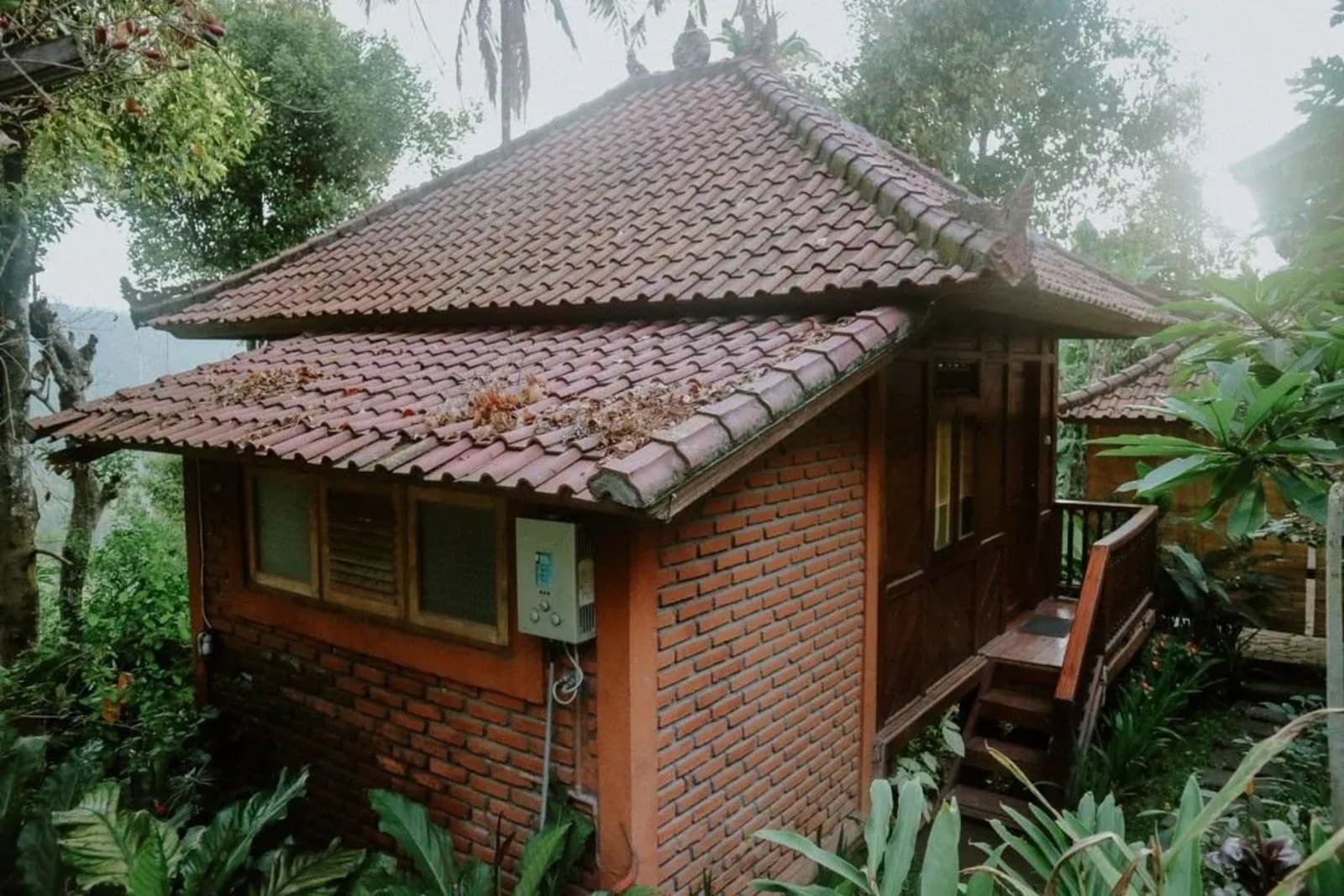
Puri Sunny Guest House
A stay in the center of Munduk Village on Kayu Putih Street with an infinity pool and sweeping valley views of Mount Batukaru and the southern ridges.
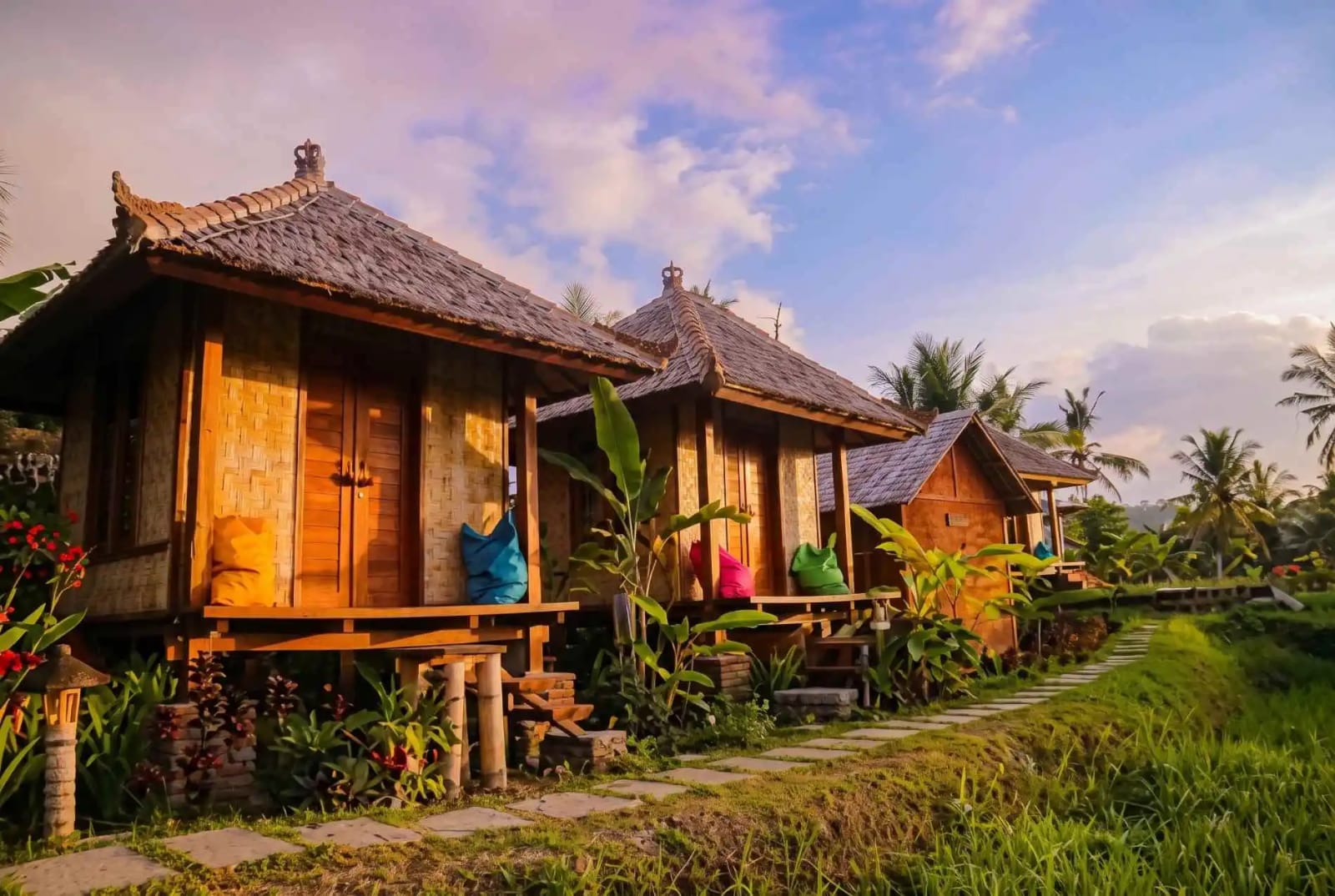
Puri Sunny Camp
A nature-oriented stay on Petaluh Street nestled among rice fields, featuring a big cold natural mountain spring water pool and rustic bamboo architecture.
Come for Munduk. Stay for the Welcome.
Discover the landscape of North Bali and find your place to pause at Puri Sunny.